Do Delivery Drivers Need Commercial Auto Insurance During the Holiday Rush?

Shurr Insurance Agents
Do Delivery Drivers Need Commercial Auto Insurance During the Holiday Rush?
3:28
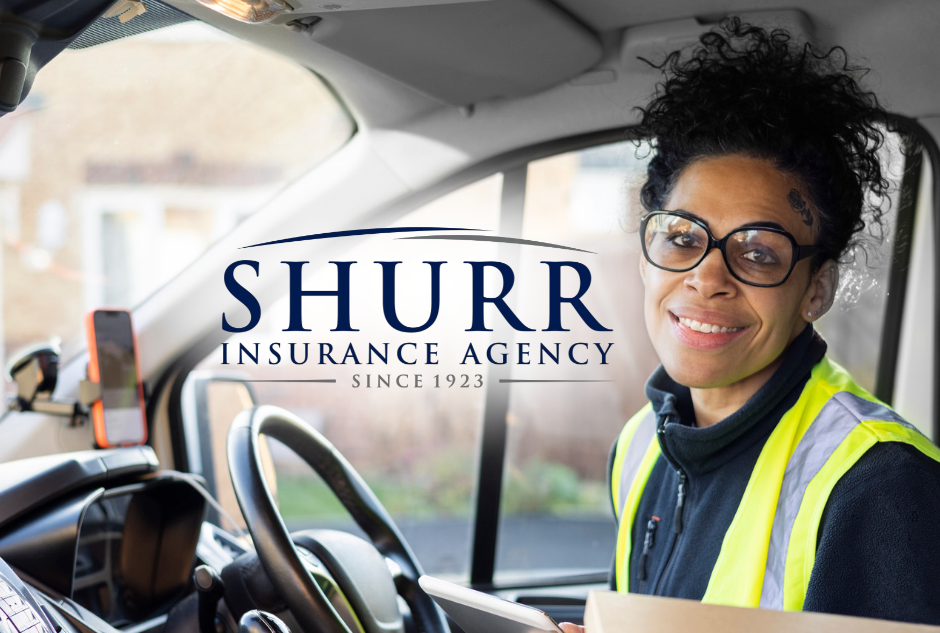
In many cases, yes. Most personal auto policies exclude or limit coverage when you're driving for pay. Delivery drivers usually need commercial auto insurance, a rideshare or delivery endorsement, or coverage through the company they drive for. Business owners with employees who deliver using personal cars should look at hired and non-owned auto coverage.
More Miles This Season? Make Sure You're Covered.
Whether you drive solo or run a delivery fleet, we'll find coverage that fits.
The holiday shipping rush puts thousands of extra delivery vehicles on the road across Indiana, Illinois, and Michigan. Gig drivers, independent couriers, and delivery service partners all pick up more routes, often in snow and ice. The problem is a lot of drivers don't find out about their insurance gap until after an accident.
Does personal auto insurance cover delivery driving?
Usually not, or not fully. Most personal auto policies have a business use exclusion, which means a claim can be denied if you were delivering packages or food when the accident happened. Some carriers offer a delivery endorsement that fills part of that gap. Read your policy or ask us to look it over.
What does commercial auto insurance cover?
Commercial auto insurance covers vehicles used for business. It includes liability if you injure someone or damage property, plus physical damage coverage for your own vehicle if you choose it. It also typically comes with higher limits than personal policies, which matters when you're on the road all day.
What is hired and non-owned auto coverage?
Hired and non-owned auto (HNOA) coverage protects a business when employees use their own cars, or rented vehicles, for work. If you own a restaurant, florist, or retail shop and your staff makes deliveries in their personal cars, HNOA covers your business's liability if they cause an accident. It does not cover damage to the employee's car.
What insurance do Amazon DSPs and courier companies need?
Delivery Service Partners and courier companies running vans usually need:
- Commercial auto for every vehicle in the fleet
- General liability for property damage at delivery stops
- Workers' compensation for drivers
- Cargo coverage for goods in transit
Contracts with large shippers often spell out exact minimum limits, so have those requirements handy when you shop for coverage.
Is the cargo in my vehicle covered?
Not by standard auto insurance. Cargo insurance or motor truck cargo coverage protects the goods you're hauling against theft, damage, or loss. Package theft from delivery vans goes up during the holidays, so it's worth asking about.
Does the gig app cover me?
Some apps provide limited coverage while you're actively on a delivery, but it often has gaps, high deductibles, or no coverage while you're waiting for an order. Don't assume you're fully protected just because you're logged in.
Let's Close the Gaps Before the Snow Hits
Holiday driving is busy enough without worrying about whether you're covered. Our team helps drivers and delivery businesses across Indiana, Illinois, and Michigan find the right protection without paying for stuff they don't need. Reach out and we'll take a look.
Disclaimer: This article is provided by Shurr Insurance Agency for general informational purposes only and does not constitute insurance, legal, or financial advice. Coverage availability, terms, and requirements vary by carrier and state. Please contact Shurr Insurance Agency to discuss your specific situation.